YOUNG ADULTS & TRAUMA
Figuring out your 20s while
carrying more than people see?
Reaching out for support is a real step forward.
At Bridge for Families in Kanata, Phil Trepiak works with people in their late teens, 20s, and 30s through the pressures of university and college deadlines, first jobs, moving out, shifting friendships, and the question of who you're becoming. He draws on CBT and DBT to give you practical tools for anxiety, low mood, and emotion regulation, and on trauma-informed CPT when older experiences are still shaping the present. Confidential, non-judgemental, and paced entirely to you.
At Bridge for Families in Kanata, Phil Trepiak works with people in their late teens, 20s, and 30s through the pressures of university and college deadlines, first jobs, moving out, shifting friendships, and the question of who you're becoming. He draws on CBT and DBT to give you practical tools for anxiety, low mood, and emotion regulation, and on trauma-informed CPT when older experiences are still shaping the present. Confidential, non-judgemental, and paced entirely to you.
You're Not Alone in This
Whether you're in your 20s trying to figure out what's next, or working through something that happened years ago, these are some of the things people bring to Phil:
OUR APPROACH
Evidence-Based, Paced to You
Phil uses an integrative approach that draws from CBT, DBT, CPT, ACT, solution-focused and narrative therapy — matched to what you need rather than a one-size-fits-all protocol.
For trauma, that often means Cognitive Processing Therapy (CPT) — a structured, evidence-based approach for working through trauma and PTSD. For anxiety, depression, and life transitions, CBT and DBT skills help you understand what's happening and build practical tools you can use right away.
The work is collaborative and trauma-informed — you stay in control of what you revisit and when.
What that looks like:
- CBT & DBT — understanding thoughts and emotions, building real-world coping skills
- Cognitive Processing Therapy (CPT) — structured, evidence-based trauma therapy
- Trauma-informed care — work that moves at your pace, always consent-based
- Collaborative and non-judgemental — meeting you where you are, at your pace
MEET YOUR THERAPIST
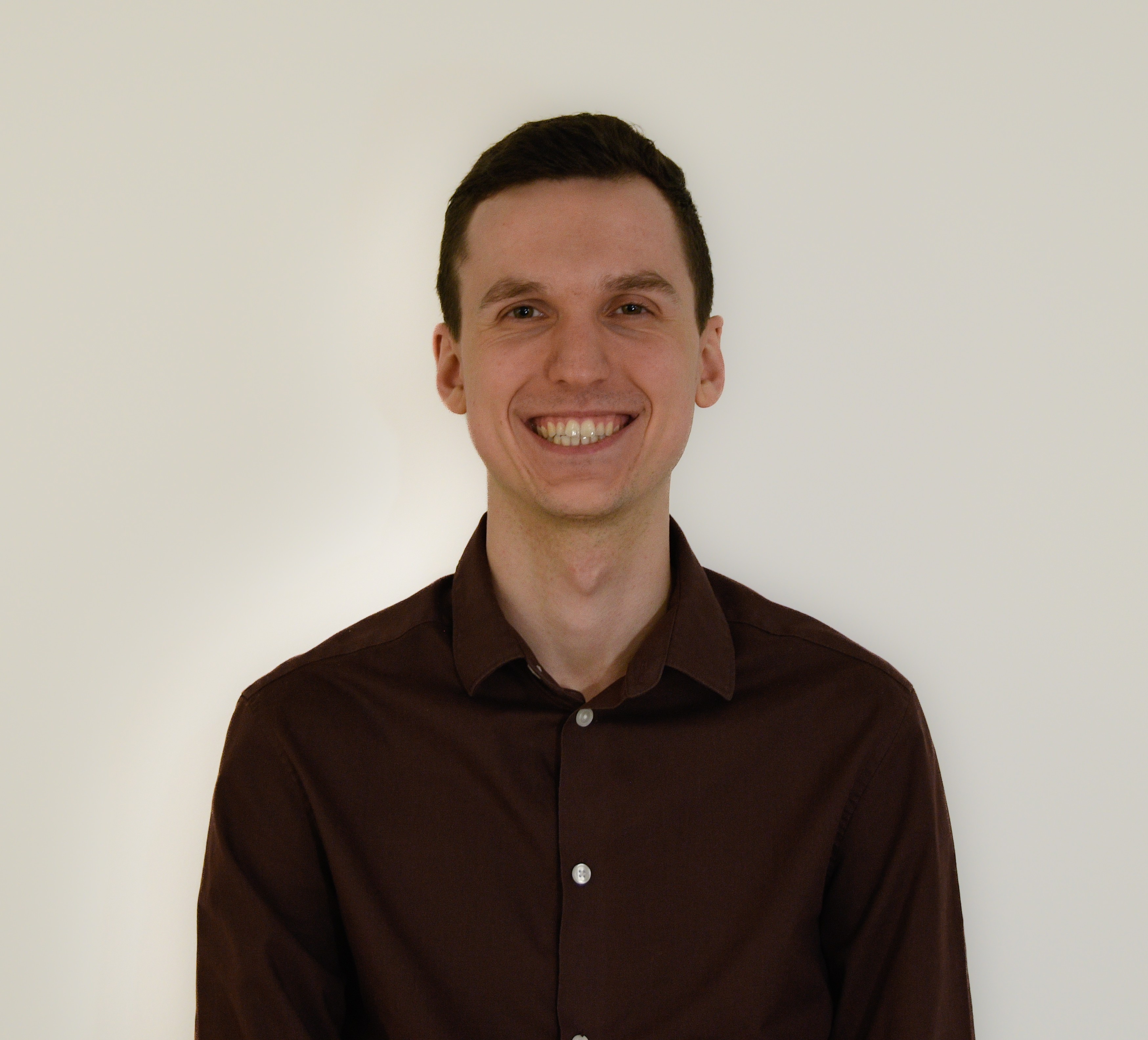
Phil Trepiak, RP (Qualifying)
Phil is a compassionate, non-judgemental, and open-minded therapist who uses evidence-based approaches in a creative and personalized way to meet your unique needs. He emphasizes working collaboratively and matches the level clients are at in their therapy journey.
Phil has experience supporting adolescents and adults of all ages and identities who struggle with depression, anxiety and stress (including academic, social and health anxiety), interpersonal concerns, life transitions, communication issues, and the diverse ways trauma can affect one's life.
He holds an Honours Bachelor of Arts in Psychology from the University of Ottawa and a Master of Science in Psychotherapy from McMaster University.
Phil specializes in:
- Trauma & PTSD (including CPT)
- Depression & anxiety (academic, social, health)
- Life transitions & identity
- Coping skills & emotion regulation
- Interpersonal & communication issues
- Adolescents & young adults
Common Questions
Frequently Asked Questions
Is this the right place for me in my 20s or 30s?
Yes. Phil specializes in working with adolescents and young adults navigating anxiety, depression, academic and career stress, relationships, and identity. Your concerns don't have to be a crisis to be worth working on.
I've never done therapy before — what happens in the first session?
The first session is about getting to know each other. Phil will ask about what brought you in and what you're hoping to work on — nothing more than you're ready to share. Together you'll figure out a realistic pace and starting point. There's no script you need to follow.
How long does trauma therapy take?
It depends on the nature of the trauma and your goals. Some people do focused work over 12–20 sessions using approaches like CPT (Cognitive Processing Therapy); others prefer longer-term support. Phil is trauma-informed — the work moves at your pace, and you stay in control of what you revisit and when.
What if I'm not sure it's trauma?
You don't need a diagnosis to start. Many people carry things that shape how they think, sleep, or relate to others without calling it trauma. Phil helps you make sense of what you're experiencing — together you'll decide what's useful to work on, whatever label (if any) fits.
Is therapy covered by insurance?
Most extended healthcare plans cover therapy with a Registered Psychotherapist (Qualifying), including Blue Cross, Canada Life, Manulife, Sun Life, and Veterans Affairs (VAC). Check your plan for “Registered Psychotherapist” coverage. We provide receipts for reimbursement.
What's the difference between CBT and DBT, and which one would Phil use with me?
CBT (Cognitive Behavioural Therapy) focuses on the link between thoughts, feelings, and behaviours — helpful when anxiety, perfectionism, or low mood are driven by patterns of thinking. DBT (Dialectical Behaviour Therapy) adds concrete skills for managing intense emotions, distress, and relationships. Phil often blends both, leaning on CBT to reframe stuck thinking and DBT skills like grounding and emotion regulation for the moments that feel overwhelming. You don't choose in advance — he matches the approach to what's actually getting in your way.
I'm dealing with university or early-career stress, not a diagnosis — is that worth booking for?
Absolutely. A lot of young adults Phil sees aren't in crisis — they're managing exam pressure, burnout, the jump from school into a first job, or the uncertainty of not having things figured out yet. These transitions are exactly the kind of thing therapy helps with, and addressing them early often prevents them from snowballing into something heavier. You don't need a label or a breaking point to start.
Does Phil see clients online or only in person in Kanata?
Both. Phil offers in-person sessions at the Bridge for Families office in Kanata and secure video sessions across Ontario, which many students and young professionals prefer for fitting therapy around class schedules, shift work, or a commute. You can switch between in-person and virtual session to session depending on what works for your week.
Grief & Loss Therapy
Phil also works with sudden, traumatic, and complicated loss using CPT and Narrative Therapy.
All Services
Explore the full range of therapy and counselling services at Bridge for Families.
Meet the Full Team
See all of our therapists, their specialties, and who might be the right fit for you.
Take the First Step
Booking a session is often the hardest part. We'll take it from there.
Thank you!
We'll be in touch soon.